Invisible Fishing Line: Low-Profile Techniques for Successful Fishing
Transparent fishing line has become an vital tool for many anglers seeking to improve their success on the water. Its ability to blend into various settings minimizes visibility, allowing for a more natural lure presentation. This subtle advantage can significantly affect catch rates. However, the choice and care of the proper line demand careful thought. Grasping these details may be the solution to transforming an fisherman's experience on the water. What factors should be prioritized?
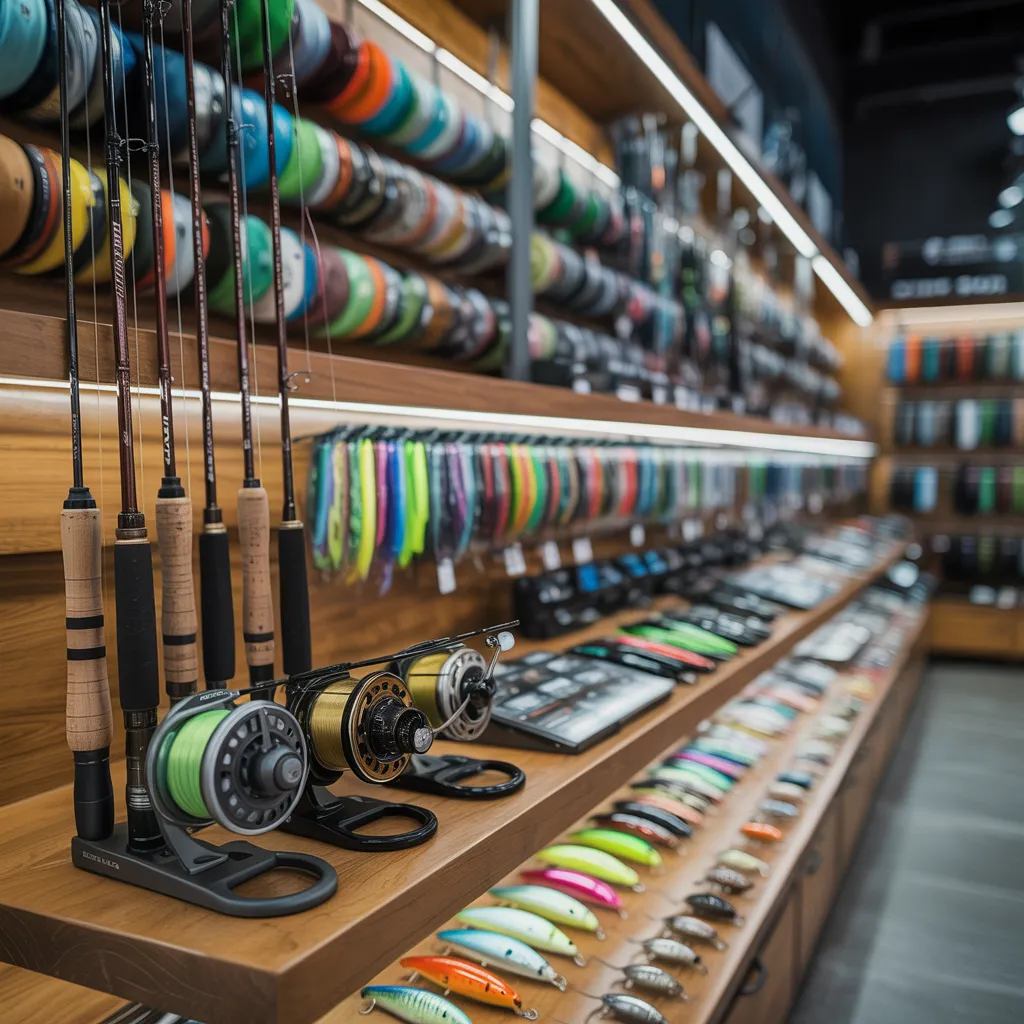
The Advantages of Employing Transparent Fishing Line
When anglers prefer transparent fishing line, they frequently receive benefits from its ability to stay hidden by fish. This evaluation quality increases the odds of landing a successful catch, since fish are less prone to be startled by visible lines. Transparent lines harmonize with different water environments, whether clear or murky, boosting the angler's concealment. Moreover, utilizing transparent fishing line can result in superior presentation of bait, allowing it to appear more natural to fish.
Furthermore, these cords are generally made from durable materials that prevent abrasion, guaranteeing they can withstand rough underwater environments. Their low visibility also enhances improved casting accuracy, as fishermen can concentrate on form without concerning themselves with the line's conspicuousness. In summary, the advantages of clear fishing cord render it a worthwhile option for those seeking a more effective and inconspicuous fishing experience.
What's the Best Way to Select Transparent Fishing Line for Your Requirements?
What strategies can an fisherman use to ensure they select the ideal clear fishing line? First, they should think about the line's type—monofilament, fluorocarbon, or braid—each offering unique benefits. Monofilament provides elasticity and user-friendliness, while fluorocarbon showcases low visibility and abrasion resistance. Braid, while not transparent, offers superior power and sensitivity.
An angler must next assess the line's breaking strength, which should correspond to the species being targeted. A greater breaking strength is vital for bigger fish, while lighter lines are suitable for smaller species. Additionally, the fishing conditions matters significantly; transparent water may call for thinner lines for subtlety, while challenging conditions may require more robust, more resilient options.
Ultimately, a fisherman should review the line's width, knot strength, and general pliability. By weighing these factors, anglers can confidently pick the see-through fishing line most ideal for their distinct fishing conditions and techniques.
Advice for Correctly Spooling and Maintaining Your Line
Proper spooling and upkeep of transparent fishing line is necessary for getting the best performance and extending longevity. Anglers need to begin by ensuring their reel is clean and free from debris before spooling. Winding the line onto the reel in the correct direction, corresponding to the reel’s rotation, is important to avoid twists. Keeping tension while spooling prevents loose coils that may cause tangles during use.
Regularly checking for abrasions or frays is essential for line integrity. After each fishing trip, rinsing the line with clean water can help eliminate salt or dirt, maintaining its condition. Additionally, storing the line in a dry location away from sun exposure will avoid degradation. Replacing the line regularly, especially after heavy use, guarantees peak performance and reduces the chance of failure. By following these recommendations, anglers can improve their time on the water and extend the life of their transparent fishing line.
Monofilament versus Fluorocarbon Angling Lines
In assessing monofilament and fluorocarbon fishing lines, two vital factors emerge: strength and durability, paired with camouflage and visibility traits. Monofilament supplies increased resilience and stretch, whereas fluorocarbon delivers superior abrasion resistance and invisibility underwater. Understanding these variations allows anglers choose the right line for their fishing situations.
Resilience And Durability Comparison
Considering the strength and durability of monofilament and fluorocarbon fishing lines brings out distinct advantages for each type. Monofilament lines are recognized for their elasticity, offering notable shock absorption during catches. This quality improves their performance in varied fishing conditions but may increase their susceptibility to abrasion. Conversely, fluorocarbon lines tend to be more rigid and resistant to wear, making them advantageous for environments with sharp rocks or debris. They possess superior knot strength and have lower stretch, which enables quicker hook sets. While monofilament is generally more cost-effective, fluorocarbon's durability and underwater invisibility often justify the additional expense. Ultimately, the choice between the two depends on specific fishing scenarios and personal preferences.
Visibility and Concealment Effects
The concealment and visibility impacts of monofilament and fluorocarbon fishing line greatly influence angler success. Monofilament, typically colored and more visible underwater, can deter cautious fish. Its floating ability often makes it easier for anglers to sense bites but may compromise stealth. In contrast, fluorocarbon lines are almost invisible in water due to their refractive index matching closely that of water. This characteristic enhances camouflage, making fluorocarbon a preferred choice in clear waters or when pursuing skittish fish. However, the compromise lies in its stiffness, which can affect lure presentation. Ultimately, anglers must take into account these visibility considerations to choose the right line for particular fishing situations, enhancing their chances of a successful catch.
Optimizing Effectiveness With Transparent Fishing Line
Using clear angling line can substantially boost the fisherman's results on the water. This type of line delivers a clear edge by minimizing the visibility of the line to fish, permitting for more natural presentations of baits and lures. Anglers can harness this trait to fish for skittish species that are prone to avoid brightly colored lines.
Moreover, transparent fishing line stands out in various water conditions, merging smoothly with both clear and murky environments. By practicing discreet methods, anglers can maximize their opportunities of enticing fish without spooking them.
Furthermore, the line's strength and durability boost a fruitful fishing session, enabling anglers to handle the challenges of heavy cover and defiant species. Overall, utilizing transparent fishing line allows for a more discreet tactic, ultimately producing higher catch rates and greater fulfillment during fishing outings.
Typical Blunders When Using Transparent Fishing Line
Many anglers neglect crucial factors while using clear fishing line, resulting in lowered effectiveness on the water. One common mistake is choosing the incorrect line strength for particular fishing conditions, leading to breakage or insufficient sensitivity. Also, neglecting to fine-tune drag settings can cause missed catches, because fishermen might fail to account for the line's low visibility.
A frequent error is not checking for line tangles and knots, which can impact both presentation and functionality. Anglers frequently underestimate how important correct knot tying is; weak knots can come undone readily when under pressure.
Additionally, using overly extended leaders can limit casting accuracy and impact the lure's performance. Ultimately, many anglers overlook habitat conditions, including water clarity and solar intensity, which can greatly determine the line's performance. Through circumventing these issues, anglers can strengthen their fishing pursuits and improve their success metrics.
Real-Life Triumph Tales From Anglers Using Transparent Line
Numerous success stories exist among anglers who have effectively employed the benefits of transparent fishing line. One angler, John, reported notably higher catch rates after changing to a high-quality transparent line. He noted that the line's see-through nature permitted him to fish in heavily fished waters where discreteness was vital.
Also, Sarah, a competitive angler, conveyed her experience of working with transparent line during a tournament. She attributed her achievement to the discrete nature of the line, which helped her land multiple trophy fish that others struggled to catch.
In a different situation, Mike, an avid fly fisherman, found that using transparent line enhanced his presentations, resulting in more natural movements of his flies. Each of these anglers showed that transparent fishing line can improve fishing success by reducing visibility and boosting stealth, ultimately resulting in more rewarding fishing experiences.
Regularly Asked Questions
Is Clear Fishing Line Viable for Saltwater Fishing Purposes?
Transparent fishing line can definitely be put to use for saltwater fishing. Its low visibility works to prevent observation by fish, making it a suitable choice. However, anglers should verify it has adequate strength and toughness for saltwater circumstances.
How Extended Does Transparent Fishing Line Typically Last?
Clear monofilament line usually lasts between one to three years, determined by factors like sunlight exposure, aquatic environments, and usage frequency. Regular copyrightination and appropriate storage can extend its lifespan substantially.
Is clear angling line compatible with all fish species?
Transparent fishing line is generally appropriate for multiple fish species due to its minimal visibility. However, specific conditions and fish species may require different line characteristics, making it crucial to choose appropriately for intended fish.
What Is the Top Knot for Transparent Fishing Line?
The Palomar knot stands as the top choice for transparent fishing line, known for its robustness and consistency. It provides a secure connection, reducing the possibility of line breaking while maintaining the line's subtle visibility during fishing.
What Are the Particular Preservation Requirements for Clear Fishing Line?
Transparent line for fishing requires cool, dry storage space apart from intense sunlight to prevent deterioration. Storing it in a protective enclosure helps preserve its cohesion and performance, confirming maximum effectiveness during fishing activities and lengthening its useful life.